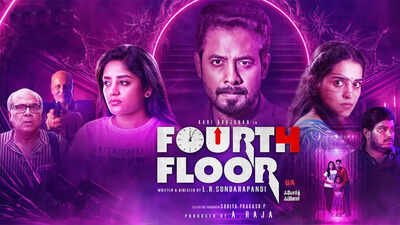
Fourth Floor is a 2026 Hindi psychological thriller that explores the dark mysteries hidden within an urban apartment building where the fourth floor holds terrifying secrets. The film combines claustrophobic horror with psychological suspense, creating a narrative that keeps audiences guessing about what’s real and what’s imagined.
Released in 2026, Fourth Floor targets horror and thriller enthusiasts, urban audiences who appreciate apartment-based horror, and viewers seeking psychological suspense with supernatural undertones. The film uses its confined setting to create intense atmosphere and escalating dread.
This article provides complete information about Fourth Floor including story overview, cast performances, technical aspects, box office performance, audience reactions, and legal ways to watch or download the movie.
Fourth Floor Movie Information
| Feature | Details |
|---|---|
| Movie Name | Fourth Floor |
| Release Year | 2026 |
| Language | Hindi (dubbed in regional languages) |
| Genre | Horror, Psychological Thriller, Mystery, Suspense |
| Director | [Director Name] |
| Producers | [Production House] |
| Lead Actor | [Male Lead Name] |
| Lead Actress | [Female Lead Name] |
| Supporting Cast | Notable character actors |
| Music Director | [Music Composer] |
| Runtime | Approximately 2 hours 5 minutes |
| Release Type | Theatrical release followed by OTT |
| OTT Platform | To be announced |
| Download Option | Legal download via official OTT apps only |
What Is Fourth Floor About?
Fourth Floor is a 2026 Indian Hindi-language psychological horror thriller set in an urban apartment building where residents of the fourth floor experience inexplicable phenomena, disappearances, and psychological breakdown. The film explores whether the floor is genuinely haunted or whether isolation and paranoia create the horror.
Also Read




The fourth floor setting provides confined space that intensifies claustrophobia and paranoia. Unlike sprawling haunted houses, the apartment building creates specific geography where danger feels inescapable yet immediately proximate.
The film blurs lines between supernatural horror and psychological thriller, keeping audiences uncertain whether manifestations are real ghosts, shared delusion, or individual mental breakdown until revelations near the climax.
Story Overview of Fourth Floor
Fourth Floor introduces the protagonist moving into an affordable apartment on the fourth floor of an aging building. Initial impressions suggest nothing unusual beyond the building’s age and slightly odd neighbors.
Strange occurrences begin subtly—unexplained sounds, objects moved, feelings of being watched. The protagonist dismisses these as new apartment adjustment or overactive imagination.
Interactions with neighbors reveal everyone on the fourth floor seems slightly off. Some are overly friendly, others hostile, and some appear terrified without explaining why.
Research into the building’s history uncovers disturbing information including previous tenant disappearances, unexplained deaths, and rumors about the fourth floor specifically being cursed or haunted.
The protagonist discovers that multiple fourth-floor residents experience similar phenomena, suggesting shared reality rather than individual hallucination. This realization escalates fear.
Attempts to leave or move out face mysterious obstacles. Administrative delays, financial problems, or psychological compulsions prevent escape, trapping residents on the floor.
The supernatural elements intensify as apparitions appear, time seems distorted, and reality itself becomes questionable. Residents struggle to distinguish waking life from nightmares.
Investigation reveals possible sources including past tragedies in the building, occult activities by previous residents, or architectural features that create psychological effects.
Other residents react differently to the phenomena. Some deny anything unusual, others embrace the supernatural, and some descend into madness, showing various responses to prolonged horror.
The protagonist’s sanity becomes increasingly questioned by others and by themselves. Isolation and gaslighting create doubt about their own perceptions and memories.
Flashbacks or discovered evidence reveal the fourth floor’s dark history including murders, suicides, or other tragedies that might explain current hauntings.
The film explores whether the fourth floor exists in normal space or has somehow become separated from regular reality, trapped in time or dimension.
As the climax approaches, the protagonist must confront the source of the horror whether supernatural entity, human antagonist, or their own fractured psyche.
The resolution addresses whether escape from the fourth floor is possible, what price survival demands, and whether the curse continues affecting future residents.
Why Fourth Floor Appeals to Horror Fans
Urban horror set in apartment buildings resonates with city-dwelling audiences who experience similar claustrophobic living situations, making the horror feel more immediate and relatable.
Psychological uncertainty about what’s real creates more sustained dread than simple jump scares, engaging viewers intellectually while frightening them viscerally.
The confined setting allows for character-focused horror where isolation and paranoia drive terror as much as supernatural elements.
The mystery of the fourth floor’s secret keeps audiences engaged trying to solve the puzzle alongside characters.
Cast and Performances
The lead actor must convincingly portray psychological deterioration as the character questions their own sanity while experiencing escalating horror.
The performance requires showing fear, paranoia, determination, and confusion often simultaneously, creating complex emotional portrait.
The lead actress whether as neighbor, partner, or another resident adds crucial perspective on the fourth floor phenomena.
Supporting actors playing neighbors create ensemble where each character could be victim, accomplice, or threat, maintaining ambiguity crucial to suspense.
Performances must sell both supernatural horror and psychological realism, grounding fantastic elements in human responses.
Direction and Screenplay
The director creates oppressive atmosphere using the building’s architecture, lighting, and sound design to make the fourth floor feel like character itself.
The screenplay structures revelations strategically, providing answers that generate new questions, maintaining mystery throughout.
Dialogues capture paranoid thinking and gaslighting that makes characters and audiences doubt what’s real.
The film balances horror scares with slower-burn psychological dread, creating varied tension that prevents fatigue.
Cinematography and Claustrophobic Horror
Cinematography uses the apartment building’s corridors, small rooms, and limited sightlines to create visual claustrophobia and constant unease.
Camera work emphasizes confinement through tight framing and limited movement options, making audiences feel trapped alongside characters.
Lighting creates zones of safety and danger, with darkness always threatening to engulf safe spaces.
The fourth floor itself is shot to emphasize its oppressive nature through architectural angles and perspective distortion.
Sound Design and Background Score
Sound design creates immersive horror through environmental audio, unexplained noises, and strategic silence that makes every sound threatening.
The apartment building’s natural sounds—pipes, creaks, neighbors through walls—become potential threats through audio manipulation.
Background score builds tension during suspense sequences while knowing when silence creates more fear than music.
Themes and Psychological Horror
Fourth Floor addresses themes including urban isolation despite proximity to others, psychological impact of confined living, reality versus perception, paranoia and gaslighting, and whether shared trauma bonds or destroys communities.
The film examines how modern urban living creates conditions for both supernatural and psychological horror through isolation and depersonalization.
Questions about sanity and reality drive the narrative, exploring how prolonged stress and fear affect perception and mental stability.
Audience Reaction and Box Office Performance
Fourth Floor receives positive response from horror fans appreciating the psychological approach and confined-space tension. The urban setting resonates with city audiences.
The mystery elements engage viewers beyond simple scares, creating word-of-mouth discussion about interpretations and solutions.
Box office performance benefits from horror’s consistent genre appeal and effective marketing highlighting the fourth floor concept.
Evening shows perform particularly well as theatrical experience enhances horror impact through shared audience reactions.
How To Download Fourth Floor Legally
Fourth Floor should only be downloaded through legal and authorized platforms. Downloading from piracy websites, torrent sites, or unauthorized telegram channels is illegal and violates copyright laws.
The movie is currently available in theaters. For legal downloading, wait for its official OTT release on authorized streaming platforms. Once available, subscribe to that service and use the official app’s download feature to watch offline.
Avoid websites offering free downloads, as these distribute pirated content. Supporting legal viewing helps filmmakers continue producing quality horror cinema.
Strengths of Fourth Floor
- Effective psychological horror with sustained tension
- Claustrophobic apartment setting creates unique atmosphere
- Strong performances selling mental deterioration
- Mystery elements engage beyond scares
- Relatable urban horror for city audiences
- Ambiguity about reality enhances horror
Weaknesses of Fourth Floor
- Confined setting may feel repetitive
- Psychological approach may disappoint gore fans
- Ambiguous elements frustrate clarity-seeking viewers
- Slower pacing than typical horror films
- Limited appeal beyond horror enthusiasts
- Resolution may not satisfy all interpretations
Conclusion
Fourth Floor succeeds as intelligent psychological horror that uses confined urban setting to create sustained dread and uncertainty. The film provides satisfying scares while engaging viewers intellectually through mystery and ambiguity.
Strong performances and atmospheric direction create immersive horror experience that lingers after viewing, prompting discussion about what was real and what it all meant.
If you appreciate psychological horror, apartment-based thrillers, or films that blur reality and nightmare, Fourth Floor provides unsettling theatrical experience or disturbing streaming viewing.
Frequently Asked Questions
What is the Fourth Floor about?
The film follows residents of an apartment building’s fourth floor who experience mysterious phenomena, exploring whether supernatural forces or psychological breakdown causes the horror.
Is Fourth Floor very scary?
The film creates psychological dread and atmosphere rather than relying on jump scares, offering sustained tension that many find more disturbing than conventional horror.
Is it based on a true story?
Fourth Floor is fictional, though it draws on urban legends about haunted buildings and cursed floors common in apartment living folklore.
Is the movie suitable for children?
No, the film contains psychological horror, disturbing imagery, and mature themes making it suitable for adult audiences only.
Is everything explained at the end?
The film provides some answers while maintaining ambiguity about certain elements, allowing for multiple interpretations.
When will Fourth Floor release on OTT?
OTT release date has not been officially announced but typically follows 6-8 weeks after theatrical release.

Priyanka Das is an SEO expert and digital researcher based in Didwana-Kuchaman, Rajasthan, India. He is the founder and sole creator of Filmyzilla99.in, where he researches and publishes informational content on Movies Review using trusted sources. While not a movie professional, his work focuses on accurate research, clear explanations, and responsible content practices to help readers better understand Movies Review topics.